Francais
 Cart
Cart Quote
QuoteFoodservice Guide: Optimizing Cold Room Layout and Storage
A true backbone of any professional kitchen or food processing laboratory, the cold room requires particular attention. Beyond the refrigeration unit itself, it is the internal layout, the choice of containers, and the organization method that ensure food safety and minimize product loss.
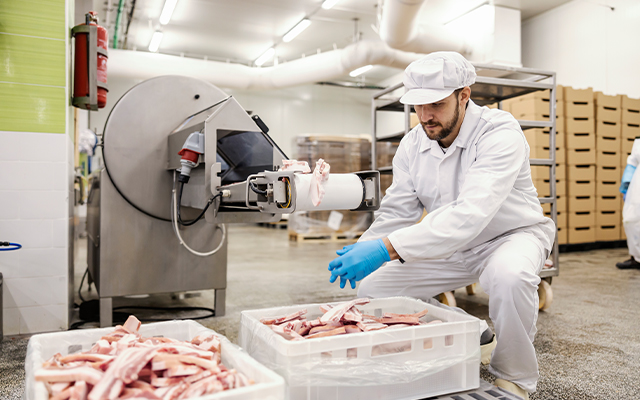
Mastering your refrigerated space is essential to comply with hygiene standards and streamline kitchen operations. Here is a comprehensive overview of best material and organizational practices to turn your cold room into a model of efficiency.
Understanding your environment: the different types of cold storage
It is essential to distinguish between cold environments, as each zone comes with its own material constraints:
- Positive cold (0 to +4 °C): Dedicated to fresh products (meat, dairy, vegetables). Humidity levels are high, requiring fully corrosion-resistant materials.
- Negative cold (–18 to –25 °C): Reserved for frozen products. Storage equipment must withstand extreme thermal shock without warping or becoming brittle.
- Controlled atmosphere (0 to +5 °C): Often used for long-term storage of fruits and vegetables, requiring precise gas management (O₂, CO₂) and perfectly sealed equipment.
Choosing materials designed for cold environments
Structures and shelving
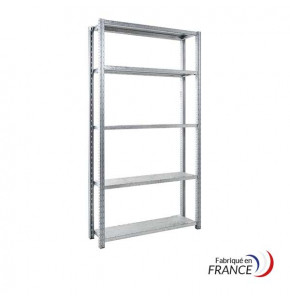
304 stainless steel (18/10) is the preferred choice for foodservice professionals. Fully corrosion-resistant, it performs perfectly in humid positive cold rooms and is easy to clean using high-pressure systems.
For negative cold environments, galvanized steel or anodized aluminum shelving are also excellent options, as they resist flaking under extreme temperature variations.
Discover our stainless steel shelving >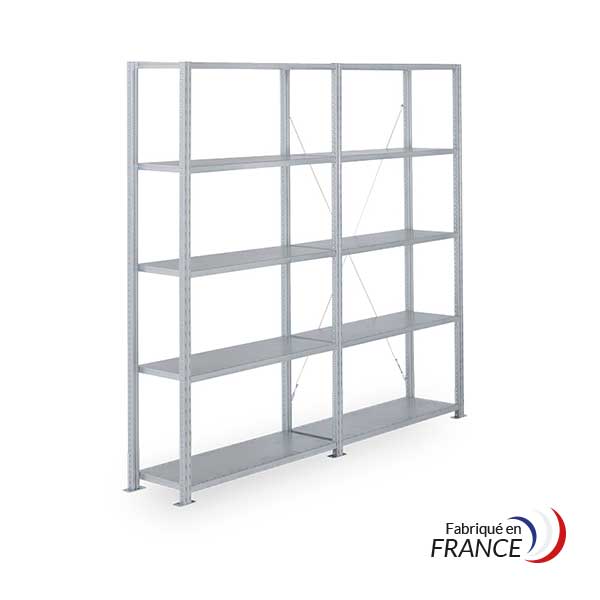
Plastic storage containers
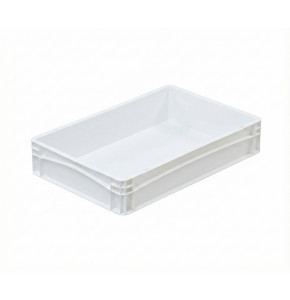
In positive cold environments, high-density polyethylene (HDPE) and polypropylene (PP) containers are widely used. Certified for food contact, they do not retain odors and withstand aggressive detergents.
However, caution is required in freezing areas: HDPE is generally preferred, as some standard PP plastics tend to crack below -10°C.
View our HDPE food containers >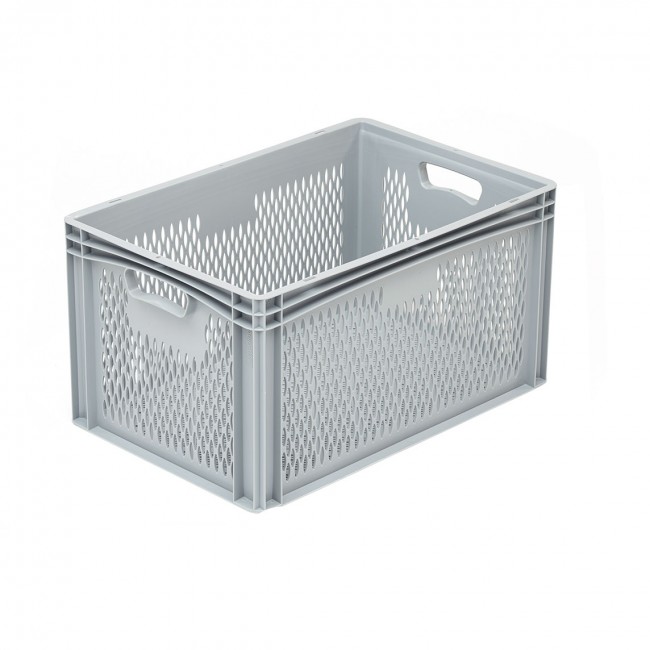
Flooring solutions
Cold room floors are often wet and slippery. Installing grating (in food-grade PVC or stainless steel) improves staff safety, enhances ergonomics, and isolates goods from the floor in case of liquid spills.
Discover our hygienic gratings >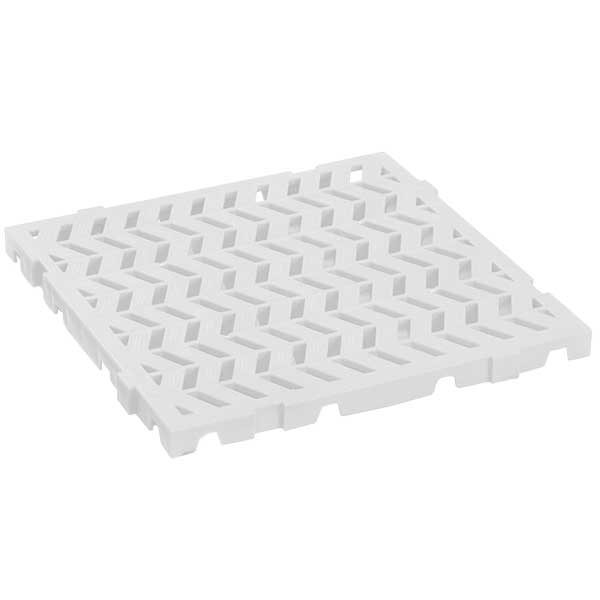
Logistics equipment for foodservice operations
Handling trolleys
Essential for maintaining the cold chain, service trolleys (stainless steel or duralinox) facilitate transfers between delivery areas, cold rooms, and preparation stations. Ensure you choose wheels suitable for humid environments (high-density rubber or stainless steel).
View our stainless steel trolleys >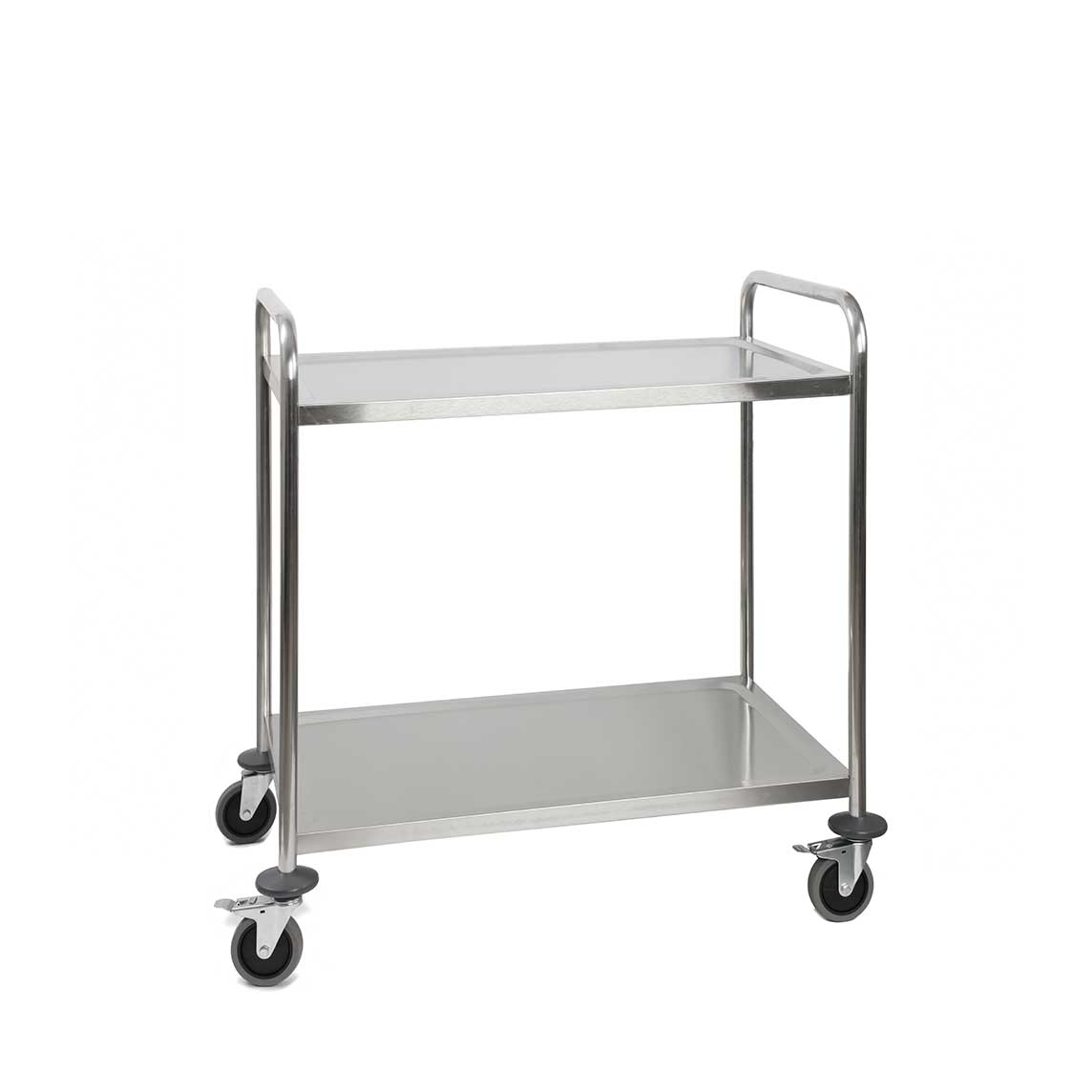
Gastronorm formats and sealing
Storing food uncovered should be avoided. Using Gastronorm (GN) containers with airtight snap-on lids or food-grade films prevents dehydration and protects against airborne contamination.
Discover our Gastronorm containers >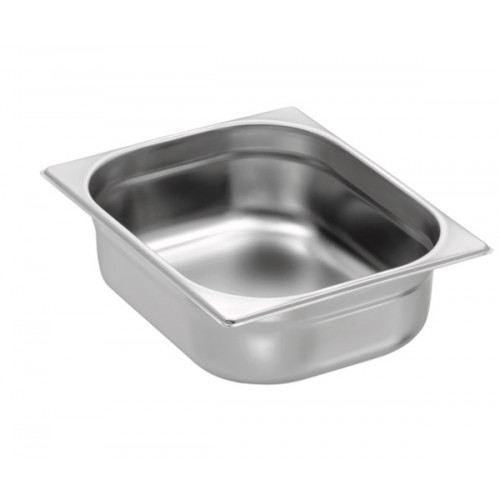
Color-coded zoning (HACCP method)
Applying HACCP standards is much easier with clear visual identification. Assigning red containers for raw meat, blue for seafood, and green for vegetables helps teams instantly avoid errors and cross-contamination.
View our HACCP color-coded containers >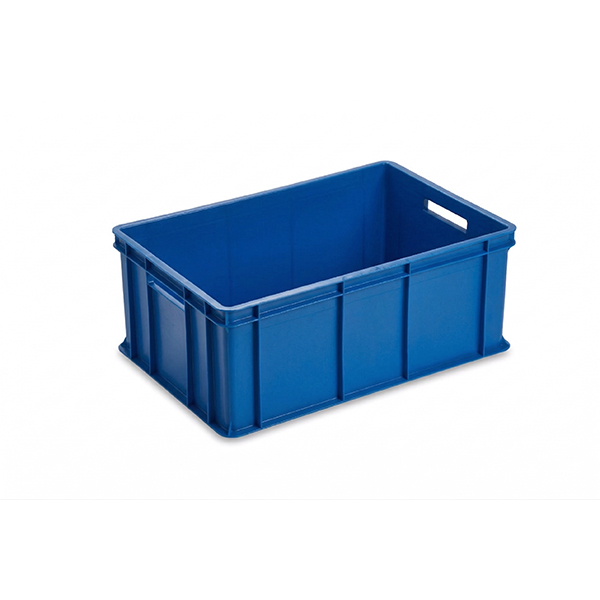
Golden rules for spatial organization
The “First In, First Out” (FIFO) rule
The FIFO (First In, First Out) principle is key to proper stock rotation. Restocking must always be done from the rear of shelving units to ensure that products with the earliest expiry dates are used first.
Vertical separation of food safety risks
Separating food categories is essential. The recommended vertical organization is as follows:
- Top shelves: Prepared and cooked foods.
- Middle shelves: Dairy products, cheese, and deli meats.
- Bottom shelves: Raw products, offal, and raw meat.
This ensures that if a raw product were to drip (exudates), it could not contaminate ready-to-eat food stored below.
Allow air circulation
A cold room is not a storage dump. If occupancy exceeds 70 to 75%, cold air can no longer circulate properly, creating dangerous “hot spots” for food. Ensure space between containers and keep aisles clear.
Hygiene and maintenance: a critical requirement
To prevent bacterial growth linked to condensation, a strict hygiene protocol must be implemented:
- Weekly: Cleaning of shelving and storage containers with hot water and detergent.
- Monthly: Full disinfection of the room using food-safe products.
- Equipment monitoring: Immediate disposal of any cracked plastic containers (which become breeding grounds for bacteria) and regular inspection of door seals.