Francais

 Cart
 Quote
Allergen regulations in the catering industry: display requirements and kitchen procedures
Allergen regulations in restaurants: display obligations and kitchen organization. Food allergies affect approximately 2 to 4% of adults and up to 8% of children in France. For allergic individuals, even minimal exposure to the responsible allergen can cause severe reactions up to anaphylactic shock. For restaurateurs, allergen management is not just a legal obligation; it is a responsibility directly linked to diner safety. Since the European INCO regulation (No. 1169/2011), applicable in France since 2014, catering professionals are subject to specific information and organizational obligations. Here is a complete guide to responding effectively.
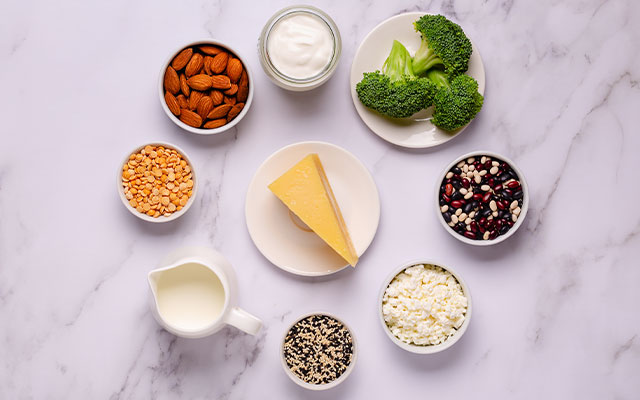
The 14 major allergens requiring mandatory declaration
The INCO regulation identifies 14 substances or products causing allergies or intolerances that must be declared when used as ingredients in foodstuffs intended for final consumers:
| No. | Allergen | Examples of affected foods |
|---|---|---|
| 1 | Cereals containing gluten | Wheat, rye, barley, oats, spelt, kamut |
| 2 | Crustaceans | Shrimp, lobster, crab, crayfish |
| 3 | Eggs | Eggs and egg products |
| 4 | Fish | All fish and preparations |
| 5 | Peanuts | Peanuts, peanut oil |
| 6 | Soybeans | Tofu, soy milk, soy sauce |
| 7 | Milk | Milk, butter, cheese, cream, yogurt |
| 8 | Tree nuts | Almonds, walnuts, hazelnuts, cashews, pistachios... |
| 9 | Celery | Celery sticks, celeriac, celery spices |
| 10 | Mustard | Mustard seeds, powder, leaves |
| 11 | Sesame seeds | Tahini, sesame breads, sesame oil |
| 12 | Sulphur dioxide and sulphites | Wines, dried fruits, canned foods (> 10 mg/kg) |
| 13 | Lupin | Lupin flour, lupin seeds |
| 14 | Molluscs | Oysters, mussels, clams, snails |
Consumer information obligations
For establishments with a displayed menu or à la carte
In restaurants offering an à la carte or set menu, allergens must be indicated for each dish containing one of the 14 allergens. Several methods of information are accepted by the regulations:
- Direct mention on the menu: by indicating the allergens after each dish (e.g., "Walnut tart (G, M, TN)") or by using standardized pictograms.
- Allergen table: a separate document, available upon customer request, summarizing the allergens present in each dish.
- Verbal information: staff must be able to accurately answer customer questions about allergens. This option is acceptable but must be supported by up-to-date written documents.
In all cases, the establishment must have a summary written document of the allergens present in its preparations, kept up to date and accessible upon any inspection request.
For collective catering and takeaway meals
Collective catering (canteens, company restaurants, nursing homes) and establishments offering takeaway meals are subject to the same obligations. Packaged meals must include labeling that mentions allergens in the ingredient list or highlights them (bold, underlined, different color).
Penalties for non-compliance
Failure to comply with information obligations constitutes an offense punishable by criminal and civil penalties. In the event of a serious accident (anaphylactic shock) linked to incorrect information, the restaurateur's criminal liability may be incurred. Veterinary services (DDPP) inspections regularly focus on this point.
Practical kitchen organization: preventing cross-contamination
Information is only the first step. The second is preventing cross-contamination in the kitchen — meaning the unintentional transfer of an allergen to a dish supposed to be free of it.
Sources of cross-contamination
- Shared workspaces: a cutting board used for foods containing gluten and then for a gluten-free dish.
- Shared utensils: ladles, whisks, strainers... an inadequately cleaned utensil can contaminate a preparation.
- Frying oils: if the fryer is used for breaded items (gluten) and gluten-free preparations, contamination is almost certain.
- Staff hands: a cook who handles bread and then prepares a gluten-free dish without washing their hands.
- Steam and splatters: in a confined space, they can carry allergens.
Organizational measures to implement
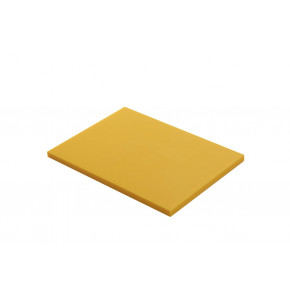
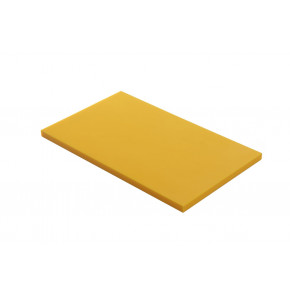
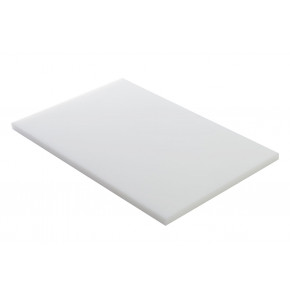
- HACCP color coding: use distinctively colored boards, utensils, and equipment for preparations containing certain major allergens.
- Dedicated gluten-free zone: have a preparation area, utensils, and equipment exclusively dedicated to this purpose.
- Enhanced cleaning protocols: clean and disinfect all surfaces and utensils before any preparation for an allergic customer.
- Separate inventory management: store allergenic ingredients in clearly identified and separate containers.
- Service communication: systematically inform the team when an allergen-free order is in progress to mobilize collective attention.
Staff training: an essential link
Regulations can only be effective if staff (kitchen and dining room) are trained. Every employee must know:
- The list of the 14 major allergens and their sources.
- The location of the establishment's summary allergen document.
- The procedures to follow when a customer reports an allergy.
- Sources of cross-contamination and preventive measures.
- What to do in the event of an allergic reaction (emergency management).
Practical tools for managing allergens
- Integrated recipe file: each recipe must list the ingredients and associated allergens (to be updated with every supplier change).
- Supplier specifications: systematically request sheets indicating the allergens present and factory risks.
- Kitchen displays: post allergen/ingredient correspondence charts for common preparations.
- Management software: digital solutions to automatically generate regulatory displays.
Equip your kitchen with Lobrot
Lobrot offers the HACCP equipment necessary to prevent cross-contamination: color-coded cutting boards, labeled containers, dedicated utensils.
Allergens in catering: Display and HORECA Obligations
Mandatory declaration, INCO regulation, cross-contamination: discover our Lobrot guide to managing the 14 major allergens in your restaurant.